AI-generated visibility summary

AI visibility summary for SpeedOil

SpeedOil exhibits a complete absence of AI visibility across all five engines tested (Bing Search, ChatGPT, Google AI Overview, Google Search, and Perplexity), with a mention rate and citation rate of 0.0% and an overall score of 0.0. No engine performed better or worse than another; all returned zero mentions or citations for the brand across five prompts. Competitor pressure is severe. Non-brand entities such as Psu (score 20.9), Researchgate (19.4), and Mdpi (18.0) dominate AI-generated answers, while domain-level citation data shows Sciencedirect (30 citations), EPA.gov (29), and Researchgate (22) as the most frequently cited sources. SpeedOil is absent from all five prompt-specific results, including high-volume queries like "best soybean oil adjuvant for biological pesticides in Brazil" (1,500 monthly searches) where competitors like CHS Agronomy and Corteva Agriscience receive citations. A practical implication: SpeedOil's zero-citation gap means it is invisible to AI-driven recommendation and discovery queries, likely losing potential customer inquiries to cited competitors in every relevant search context.

Scan evidence for SpeedOil

Visibility score
0.0
Mention rate
0.0%
Citation rate
0.0%
Engines
5
Prompts
5

Strongest engines

EngineScoreMentionsCitations
Bing Search 0.0 0.0% 0.0%
ChatGPT 0.0 0.0% 0.0%
Google AI Overview 0.0 0.0% 0.0%
Google Search 0.0 0.0% 0.0%
Perplexity 0.0 0.0% 0.0%

Visibility gaps

EngineScoreMentionsCitations
Perplexity 0.0 0.0% 0.0%
Google Search 0.0 0.0% 0.0%
Google AI Overview 0.0 0.0% 0.0%
ChatGPT 0.0 0.0% 0.0%
Bing Search 0.0 0.0% 0.0%

Competitive landscape

  1. Psu psu.edu Score 20.9
  2. Mdpi mdpi.com Score 18.0
  3. Wisc wisc.edu Score 17.8
  4. CHS Agronomy chsagronomy.com Score 16.4
  5. Gov gov.br Score 14.5
  6. Purdue purdue.edu Score 12.7
  7. Epa epa.gov Score 12.5
  8. Ncsu ncsu.edu Score 12.1

Most cited domains

  1. epa.gov 29 citations · 8.4%
  2. mdpi.com 18 citations · 5.2%
  3. gov.br 16 citations · 4.6%
  4. psu.edu 15 citations · 4.3%
  5. purdue.edu 13 citations · 3.8%
  6. wisc.edu 12 citations · 3.5%
  7. embrapa.br 11 citations · 3.2%
  8. chsagronomy.com 9 citations · 2.6%

Prompt highlights

PromptEnginesBrand mentionsBrand citations
best soybean oil adjuvant for biological pesticides in Brazil 5 0 0
adjuvant that improves adhesion and penetration in foliar spraying 5 0 0
how to reduce spray drift in banana plantations 5 0 0
alternatives to petroleum-based adjuvants for organic farming 5 0 0
soybean oil vs mineral oil adjuvant for mango crops 5 0 0
Your turn

Are AI assistants
recommending you?

Your customers ask ChatGPT, Grok, Claude, Gemini, and Perplexity before they buy. RankBits shows you exactly how your brand surfaces across every AI engine — run your own scan below.

Try one free scan — no signup needed.

Measure the channels buyers now ask first

AI answers do not behave like classic rankings. RankBits checks the actual prompts, engines, citations, and competitors shaping those answers.

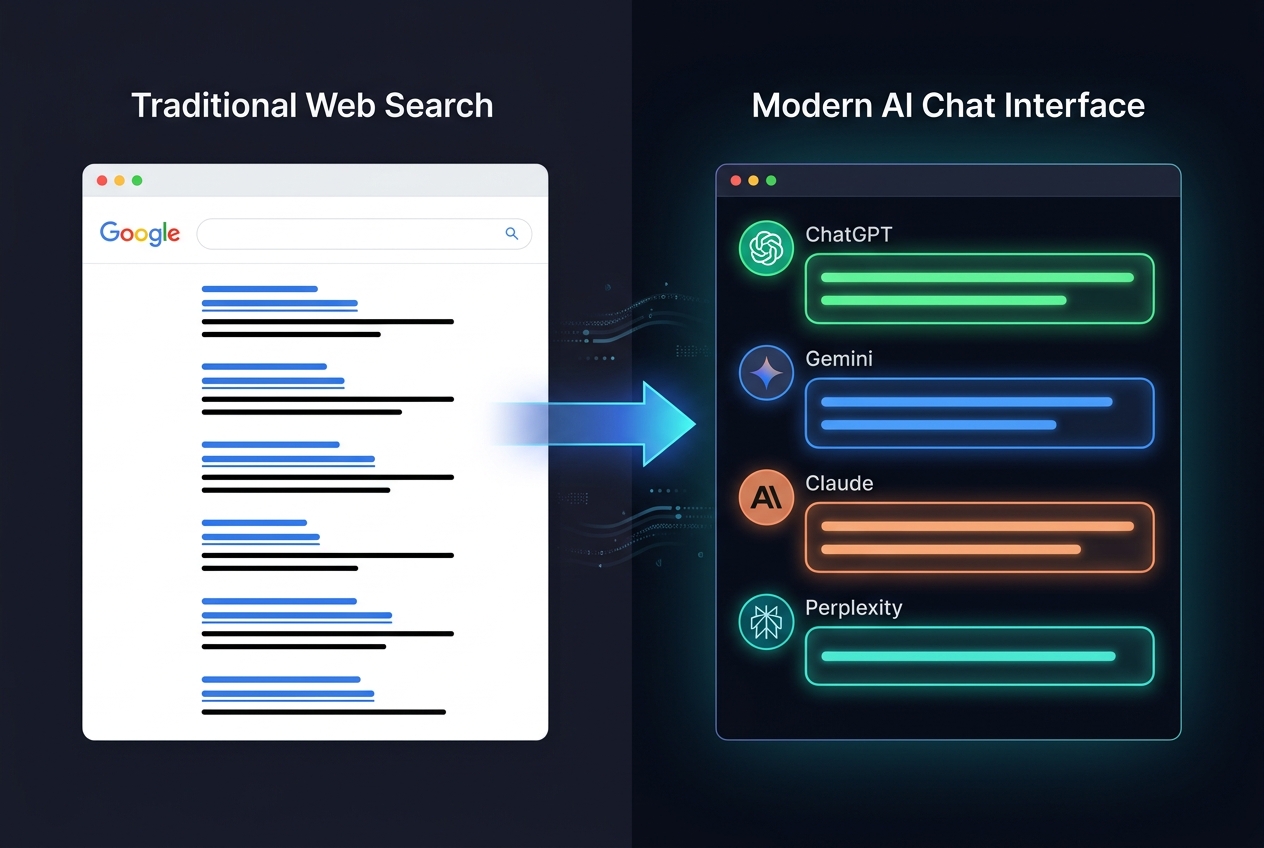
Shift from traditional search to AI-powered discovery
📉

AI answers are a new discovery surface

Google said AI Overviews reached more than 1.5 billion monthly users in 2025, while ChatGPT was confirmed at more than 2.5 billion prompts per day.

🤖

AI citations are not the same as SEO rankings

A 2026 measurement study found nearly 30% of Google AI Overview cited domains did not appear in the co-displayed first page of organic results.

📊

Turn ad clicks into a measurable AI audit

Run a scan, see the prompts where your brand is missing, and track whether visibility improves as you publish, earn citations, and refine positioning.

18
AI engines and search sources tracked
2.5B+
ChatGPT prompts per day, confirmed by OpenAI
1.5B+
Monthly Google AI Overview users reported in 2025
~30%
AI Overview cited domains absent from first-page organic results

Sources: OpenAI-confirmed ChatGPT usage, Google AI Overview reach, 2026 AI Overview citation study.

Developer API

Run RankBits scans from your own app or workflow

Every registered user can create API tokens, start async scans, check credits, and retrieve detailed scan results over HTTP.

View API docs